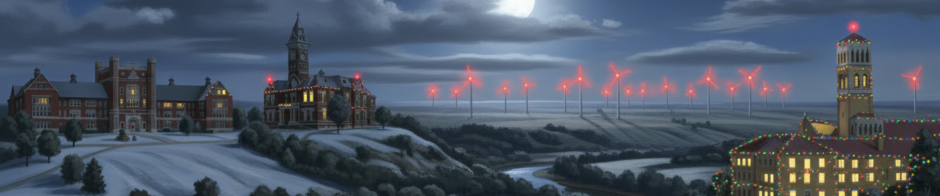
The Kawasaki Motors Manufacturing (KMM) plant in Maryville, Missouri, opened in 1989 to produce general-purpose engines for the lawn and garden industry. [1]
Why Kawasaki Picked Maryville
- “Build it where you sell it”: Around three-quarters of the worldwide demand for general-purpose engines was in the United States, so local manufacturing allowed for quicker and more efficient domestic shipments to major equipment makers (like John Deere, Toro, and Exmark). [1, 2]
- Midwestern Work Ethic: Kawasaki specifically counted on the strong, dedicated work ethic of the local labor force in northwest Missouri. [1, 2, 3]
- Available Infrastructure: Kawasaki purchased a large, vacant industrial building in Maryville (previously occupied years earlier by Uniroyal) rather than starting completely from scratch. [1, 2]
History and Timeline
- 1989 (June 21): Production officially began with the very first FC150V engine rolling off the assembly line for walk-behind lawnmowers. [1, 2]
- 1999 & 2008: The facility earned ISO 9000 quality certification in 1999 and ISO 14001 environmental certification in 2008. [1]
- Operations & Expansion:
- The plant utilizes the Kawasaki Production System (KPS), which combines Japanese and American manufacturing techniques, “just-in-time” parts delivery, and zero-excess warehousing.
- Over the decades, the facility has expanded numerous times (growing from an initial vacant building to over 700,000–900,000 square feet on 113.7 acres). [1, 2, 3]
- Present Day: The Maryville plant has grown to employ over 1,000 to 1,200 people, serving as a primary manufacturing hub for Kawasaki engines ranging from 13 to 37 horsepower
What Engines from Maryville are Used For
Kawasaki engines ranging from 13 to 37 horsepower are primarily used to power residential, prosumer, and commercial lawn and turf care equipment. They also provide reliable power for light construction machinery and agricultural tools. [1, 2, 3, 4]
Manufactured by Kawasaki Motors, this specific horsepower span represents their multi-cylinder, V-Twin engine lineup. The specific uses depend heavily on the engine series and horsepower rating: [1]
1. Lawn and Turf Care Equipment
The vast majority of these vertical and horizontal shaft engines are utilized in the turf care industry across several formats: [1]
- Zero-Turn Mowers (ZTRs): These engines are the industry standard for both high-end residential zero-turns (using the 18–24 HP FR Series) and heavy-duty, multi-acre commercial fleets (using the 15.5–38.5 HP FX Series) from major brands like Bobcat, John Deere, and Scag. [1, 2]
- Stand-On and Walk-Behind Mowers: Commercial commercial landscapers rely on mid-range powerhouses like the FS and FT Series (typically 14.5–26 HP) to drive wide-area walk-behind and stand-on units through dense or wet grass. [1]
- Lawn & Garden Tractors: Used for towing accessories, heavy snow blowing, and maintaining properties over an acre with high-output torque. [1, 2]
2. Light Construction Equipment
Kawasaki’s heavy-duty industrial builds utilize the top end of this horsepower spectrum to handle high vibration and dusty job sites: [1, 2]
- Compactors & Small Loaders: Frequently powered by air- or liquid-cooled horizontal shaft configurations to manage demanding physical workloads.
- Stump Grinders & Concrete Saws: Demanding operations that require high continuous “Critical Power” output under sudden heavy loads. [1, 2, 3]
3. Utility, Agricultural, & General Purpose Tools
Horizontal shaft variations in this horsepower range are implemented in various high-demand applications: [1]
- Utility Tractors & Agricultural Sprayers: Used for precision tilling, spraying, and small-scale land management. [1]
- Industrial Pressure Washers & Log Splitters: High-horsepower configurations run heavy hydraulic pumps and large water-volume mechanisms. [1]
- Commercial Generators: The stability and reduced vibration of the V-twin design make them popular choices for mobile on-site backup power.
Links
Jokes About Article
- Kawasaki chose Maryville because the engines needed a place where “horsepower” would be understood literally—and there were plenty of horses around.
- At 13 to 37 horsepower, the engines fit right in: in Nodaway County, that’s either a lawn mower or a very ambitious tractor.
- They wanted a town where everyone would notice when a new engine started. In Maryville, the whole county can hear it.
- Kawasaki picked Maryville because the local talent already knew how to keep things running—tractors, combines, and the occasional stubborn pickup.
- The factory’s commute test was simple: if you can get here behind a tractor, you can get here on time.
- Kawasaki figured rural Missouri was ideal: fewer traffic jams, more open space, and a lot of people who already know what 37 horsepower can do.
- The engines are built in Maryville so they can be tested in the toughest conditions: gravel roads, big lawns, and one very long trip to the nearest highway.